
Thermal Science and Engineering
Thermal Science and Engineering (TSE) addresses the fundamental and applied aspects of fluid flow, heat transfer, and energy systems that govern many natural and industrial processes. The research activities encompass experimental, theoretical, and computational studies in fluid mechanics, turbulence, aerodynamics, and computational fluid dynamics. The field also includes advanced topics in heat transfer such as two-phase heat transfer, radiation heat transfer, thermal energy storage, and electronics cooling.
Research in combustion, sustainable fuels, hydrogen energy systems, and battery thermal management contributes to the development of cleaner and more efficient energy technologies. In addition, work on atmospheric radiation, cryopreservation modelling, and thermo-fluid processes in complex systems expands the interdisciplinary scope of this area. By integrating advanced computational tools, experimental diagnostics, and emerging data-driven techniques, this field aims to address critical challenges in energy efficiency, sustainability, and thermal management.
Fluid Dynamics and Aerodynamics:
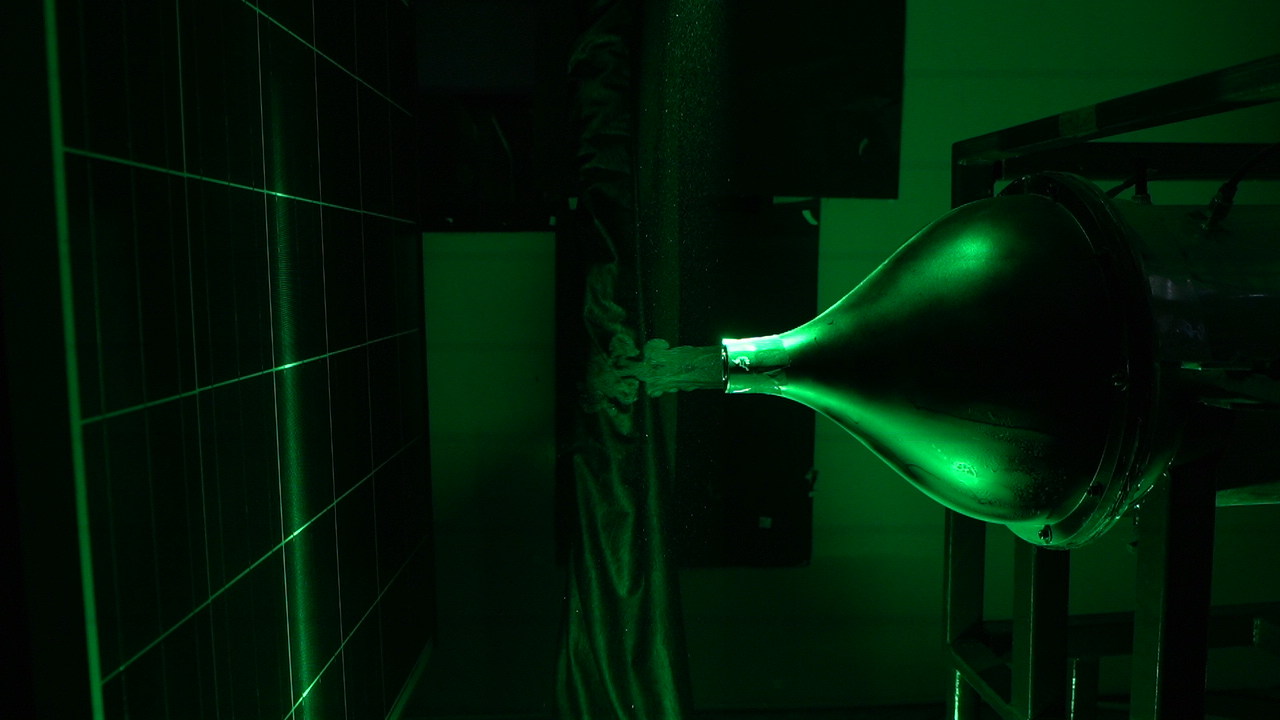
This area focuses on understanding the behavior of fluid flows in natural and engineered systems through theoretical, computational, and experimental approaches. Research includes turbulence modelling, large eddy simulation, and computational fluid dynamics for complex flows involving fluid–structure interaction. Studies also explore aerodynamic flow control, propulsion mechanisms, and aerodynamics of wind turbines, flapping wings, and unmanned aerial vehicles. These investigations support advancements in aerospace, energy systems, and industrial fluid applications. |
Facilities
- Flow Visualization Experiment Setup
- Viscosity Measurement
- Flow Measurement Systems
- Major and Minor Loss Measurement Setup
- Forces on Immersed Bodies Apparatus
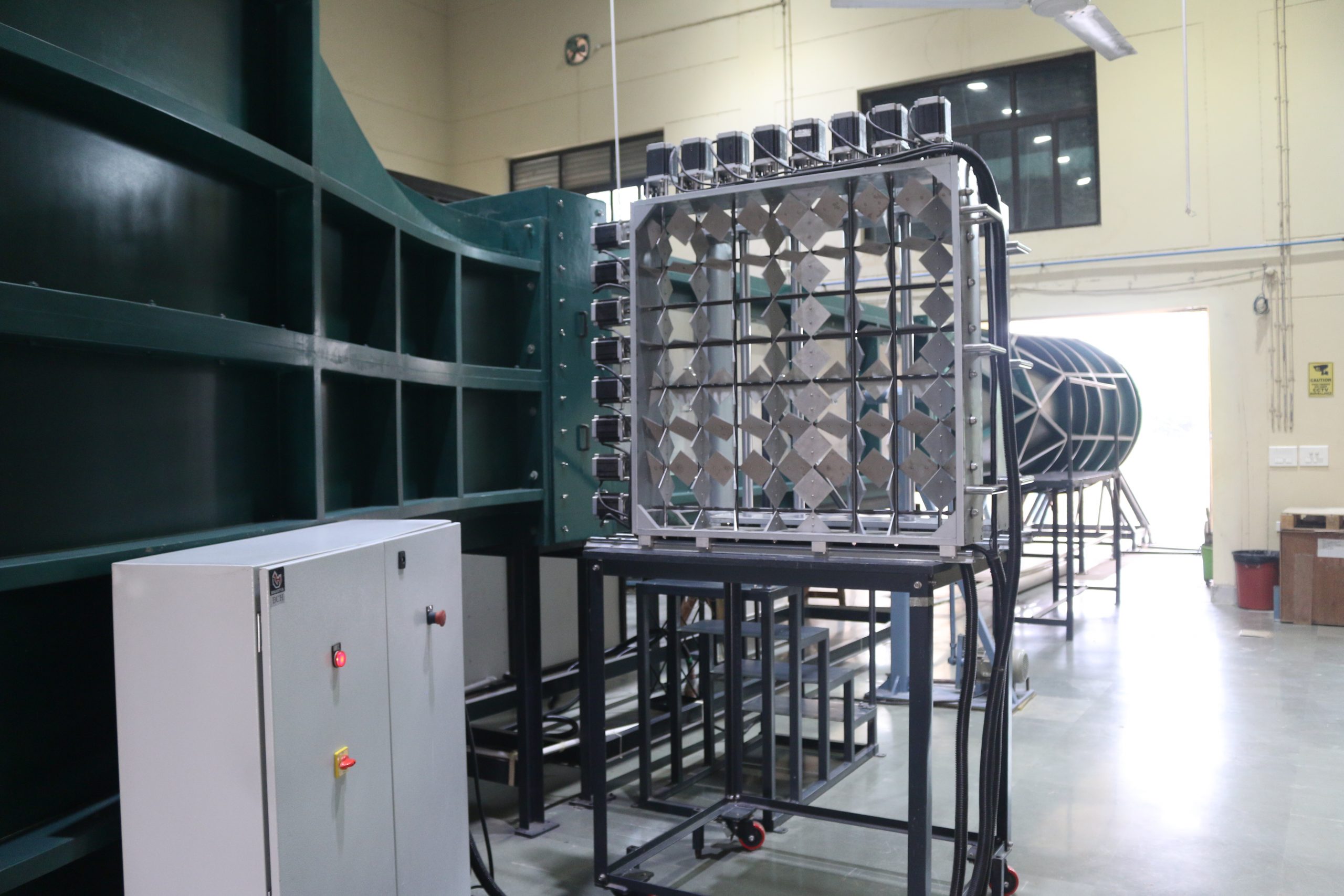
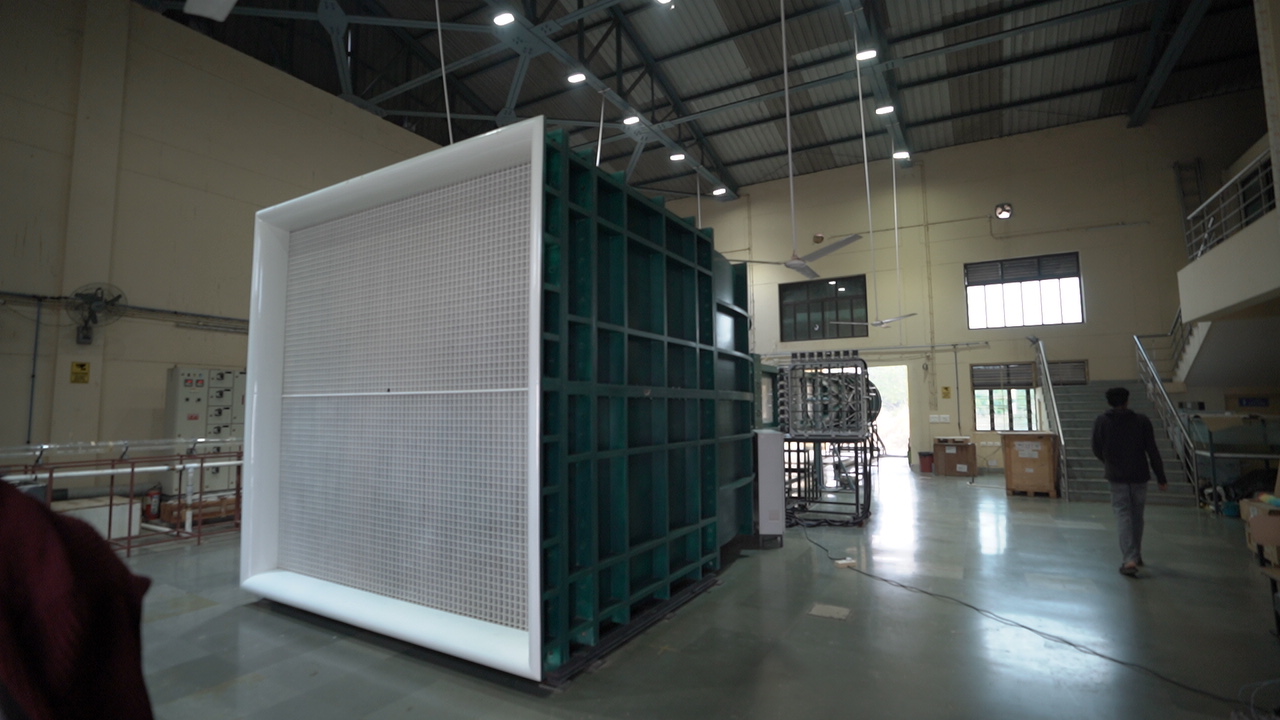
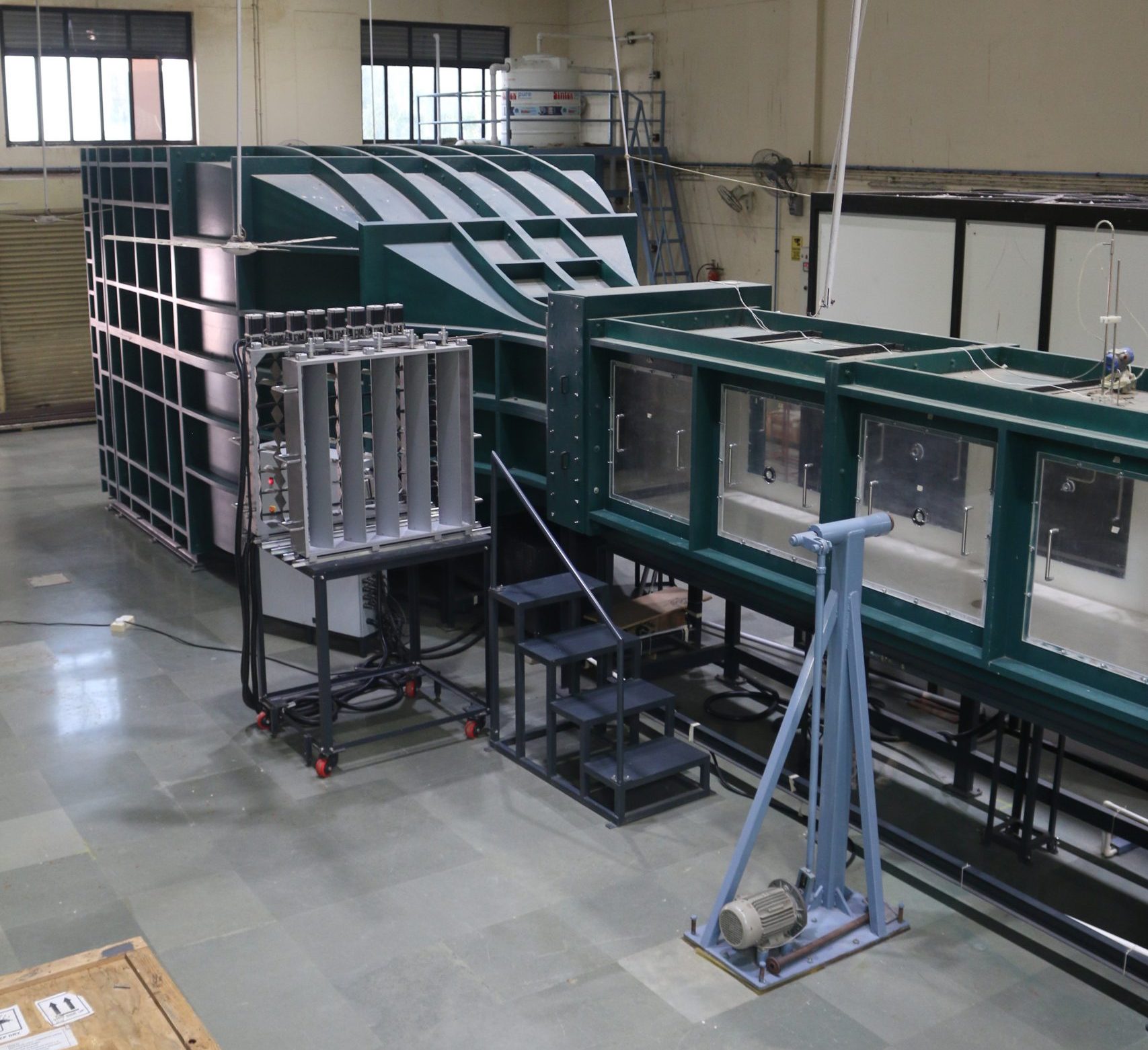
- Sub-sonic wind tunnel facility
- Unmanned aerial vehicles and fabrication of drones.
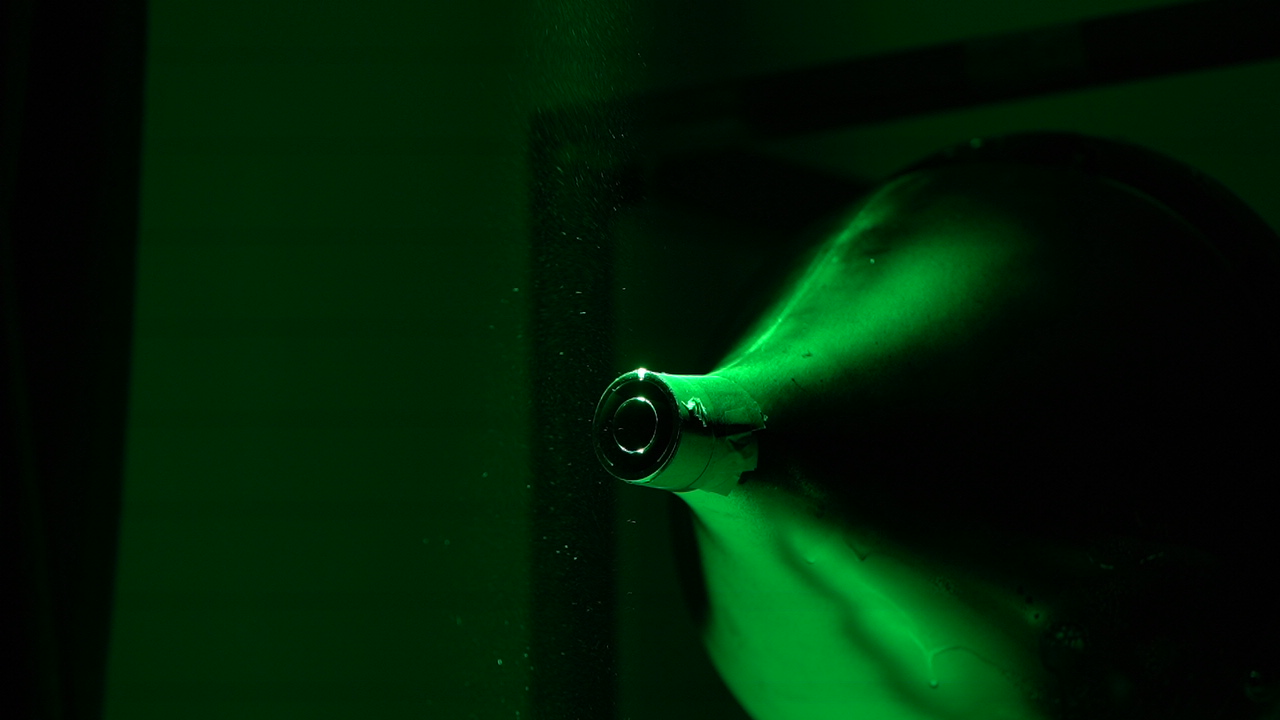
- Time Resolved Particle Image Velocimetry
- Hotwire Anemometry
- Thermal Conductivity Analyser
Experts
Dr. Sasidhar Kondaraju, Dr. Venugopal Arumuru, Dr.Yogesh Ganpat Bhumkar
Labs
- Fluid Mechanics Laboratory
- Applied Thermo-fluid Laboratory
- Unmanned Aerial Vehicles Laboratory
Heat Transfer and Thermal Systems:
Research in this area investigates the mechanisms of heat transfer in various engineering systems, including conduction, convection, radiation, and phase change processes. Topics include two-phase heat transfer, conjugate heat transfer, bio-heat transfer, and thermal management for electronics and energy systems. Work on thermal energy storage, phase change systems, and radiation heat transfer contribute to improving the efficiency and performance of modern thermal systems in industrial and environmental applications.
Facilities
- Concentric, Shell & Tube Heat Exchanger Unit
- Combined Free and Forced Convection and Radiation Heat Transfer Unit
- Unsteady State Heat Transfer Unit
- Mach-Zehnder Interferometer
- Linear and Radial Heat Conduction Unit
- Radiation Heat Transfer Unit
- Extended Surface Heat Transfer Unit
- Refrigeration Cycle Setup
- Radiation Errors in Temperature Measurement Setup
- High speed infrared camera
Experts
Dr. Mihir Kumar Das, Dr. Prasenjit Rath, Dr. Swarup Kumar Mahapatra
Labs
- Heat Transfer Laboratory
- Micro & Nanoscale Transport Phenomena Laboratory
Energy, Combustion and Sustainability:
This research area focuses on efficient and sustainable energy conversion technologies. Activities include experimental and computational studies on combustion processes, emissions control, and alternative fuels. Research also explores hydrogen energy systems, nuclear thermal hydraulics, and battery thermal management. These efforts aim to develop cleaner energy solutions and improve the safety, efficiency, and sustainability of future energy systems.
Facilities
- Variable Compression Ratio (VCR) Engine
- Axial Flow Gas Turbine Unit
- Flame Propagation & Stability Unit
- Nexa Fuel Cell Training System
Experts
Labs
Dr. Amrit Bikram Sahu, Dr. Maneesh Punetha
- IC Engine Laboratory
- Applied Thermofluid Laboratory
Advanced Modelling and Applications:
This domain emphasizes advanced computational and analytical techniques for complex thermo-fluid problems. Research includes thermal system optimization, modelling of porous materials, and simulation of cryopreservation and atmospheric radiation processes. Emerging approaches such as physics-based machine learning are integrated with traditional computational methods to enhance predictive capabilities. These tools enable accurate modelling of multi-physics thermal systems across scientific and industrial applications.
Facilities
- High-Performance Computational Workstations
- Blade Server Computing System
- ANSYS Simulation Software
- MSC Software Bundle
- HyperWorks Simulation Tools
- Tecplot Visualization Software
- Weather Research & Forecast Software
Experts
Dr. Anirban Bhattacharya, Dr. Srinivasa Ramanujam Kannan
Labs
- CAD/CAM/CAE Laboratory
- Micro & Nanoscale Transport Phenomena Laboratory
- STORM Laboratory
Key Features
Expertise
Research expertise in the Thermal Science & Engineering domain broadly includes fluid dynamics and aerodynamics, heat transfer and thermal systems, combustion and energy systems, and advanced modelling of thermo-fluid processes. The research integrates experimental, theoretical, and computational approaches to understand complex fluid flow and heat transfer phenomena.
Strength
The TSE domain possesses a diverse research capability spanning fundamental thermo-fluid physics and industrial applications. The integration of experimental laboratories with computational modelling enables the study of complex multi-physics problems relevant to energy, aerospace, manufacturing, and environmental systems.
Software
ANSYS, MSC software suite, HyperWorks, WRF, and Tecplot are used for modelling, numerical simulation, and visualization of complex thermo-fluid systems.
simulation, and product design.
Equipment & Tools
Heat exchanger test rigs, convection and radiation heat transfer systems, interferometry setups for thermal flow visualization, refrigeration cycle demonstration units, experimental combustion systems, and computational facilities for advanced thermo-fluid simulations.
Current and Future directions
Future research directions include integration of artificial intelligence and machine learning with thermo-fluid modelling, advanced energy systems, sustainable fuels, and multi-scale transport phenomena. The domain aims to strengthen collaborations with industry, national laboratories, and interdisciplinary research groups to address emerging energy and environmental challenges.
Laboratory Photo Gallery